
District of Chetwynd Announces Election by Acclamation
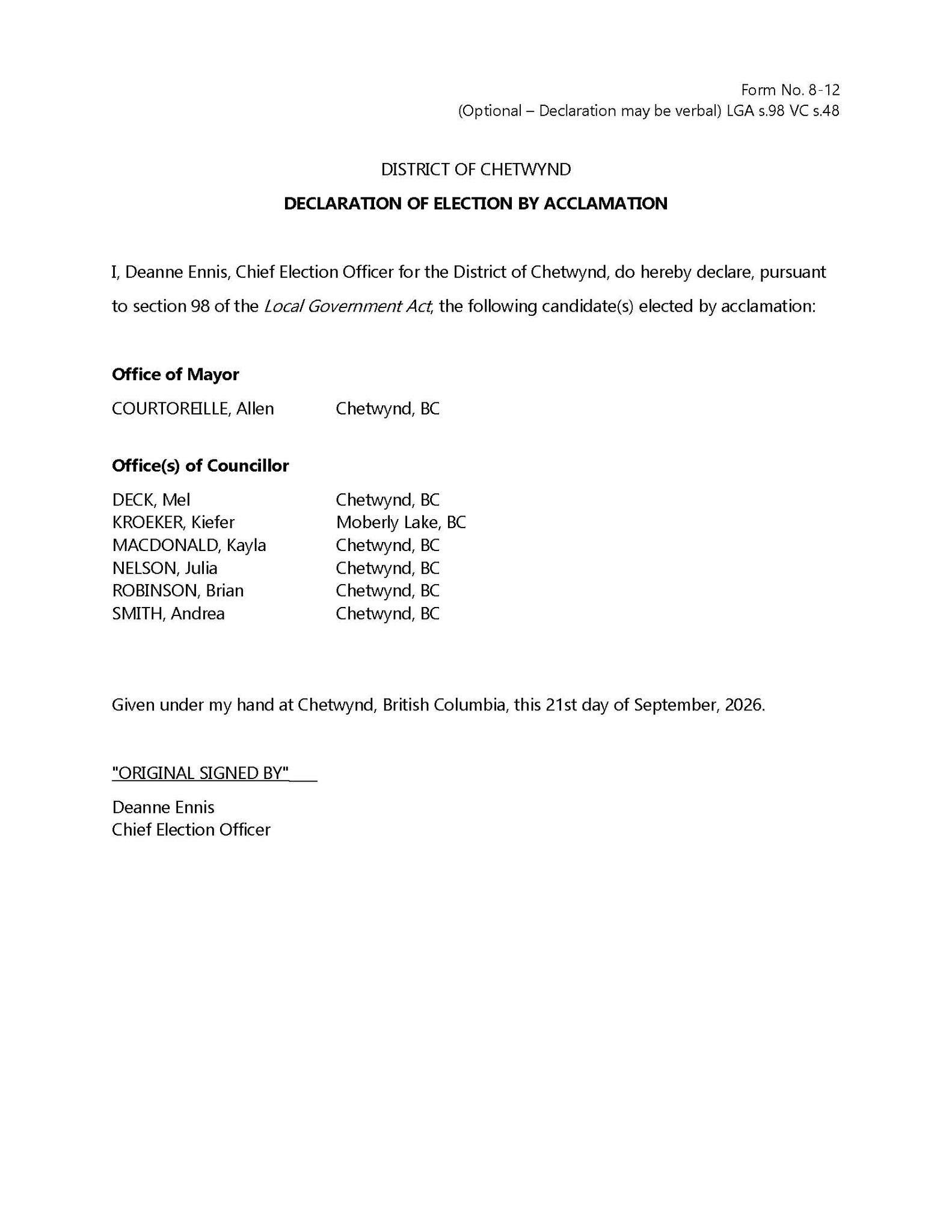
CHETWYND, B.C. — The District of Chetwynd has announced its mayor and six councillors will be acclaimed in the 2026 municipal election, as the number of candidates matches the number of positions available. Six people have filed for the six available seats on the council, and Allen Courtoreille is the only candidate for mayor, according to candidate declarations issued after the nomination period.
Chetwynd will not hold a municipal election for mayor or council on October 17, 2026, because there are no contested positions.
The candidates for council are:
- Mel Deck
- Kiefer Kroeker
- Kayla MacDonald
- Julia Nelson
- Brian Robinson
- Andrea Smith
When the number of eligible candidates does not exceed the number of positions available candidates are declared elected without a vote, by acclamation.
An election by acclamation is held when the number of candidates eligible to be elected does not exceed the number of positions to be filled.
The 2026-2030 council term will begin after the current term ends and the elected candidates will go on to serve the community.
For official information and election updates please visit the District of Chetwynd website.
Source: District of Chetwynd candidate declarations
______
The RAD Talent Search Qualifier #1 Celebrates an Incredible Night of Local Talent in Dawson Creek
DAWSON CREEK, B.C. —Sept 19, 2026 The first qualifying show of The RAD Talent Search was a resounding success, uniting talented performers and a passionate community for an unforgettable nite at GDI Lounge.
Qualifying #1 was nearly packed with a host of eight amazing performers as the audiences and judges came together to celebrate music, creativity and live entertainment.
The evening was the first in the search for performers who will go on to the Grand Finale.
First Grand Finale Qualifiers Announced
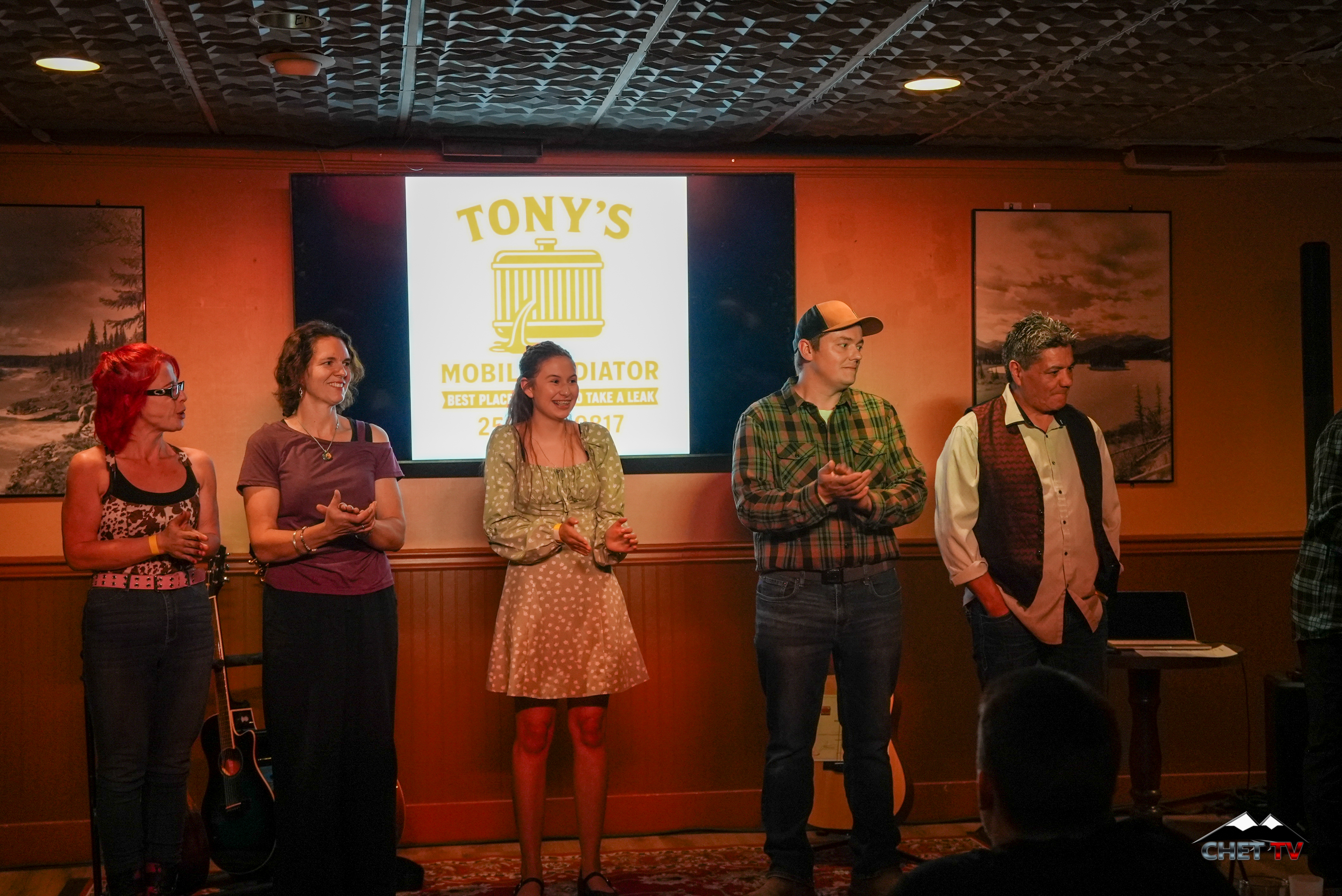
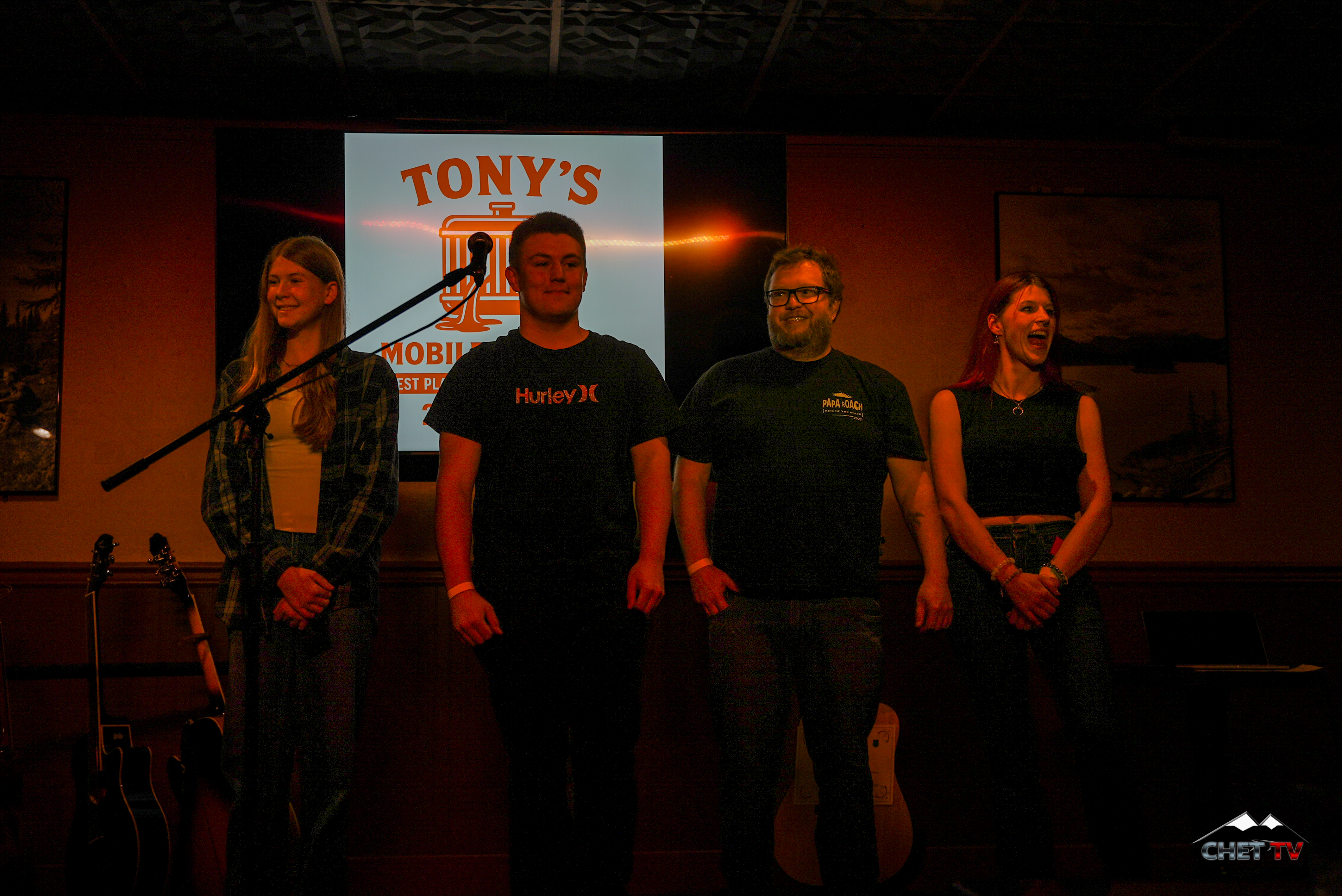
Following an exciting night of performances, the first group of Grand Finale qualifiers was announced:
- Judges’ Choice – First Place: Steph & Corey
- Judges’ Choice – Second Place: Kaylee Shepherd
- Judges’ Choice – Third Place: Riley Solbrekken
- Audience Choice: Bailey Gavin Myers
Perfectly Unhinged was also recognized with the String Me Up Stand Out Performance Award, celebrating their memorable performance during the show.
Congratulations to all the award recipients and qualifiers!
A Night of Music, Creativity and Community
The event also brought together a dedicated team of organizers, volunteers and supporters who helped make the evening possible
Special thanks were extended to the judges, MC Shannon Anderson, sound technician Jason Pratt, artist Amy Gothard, volunteers, sponsors and media partners for their contributions and support.
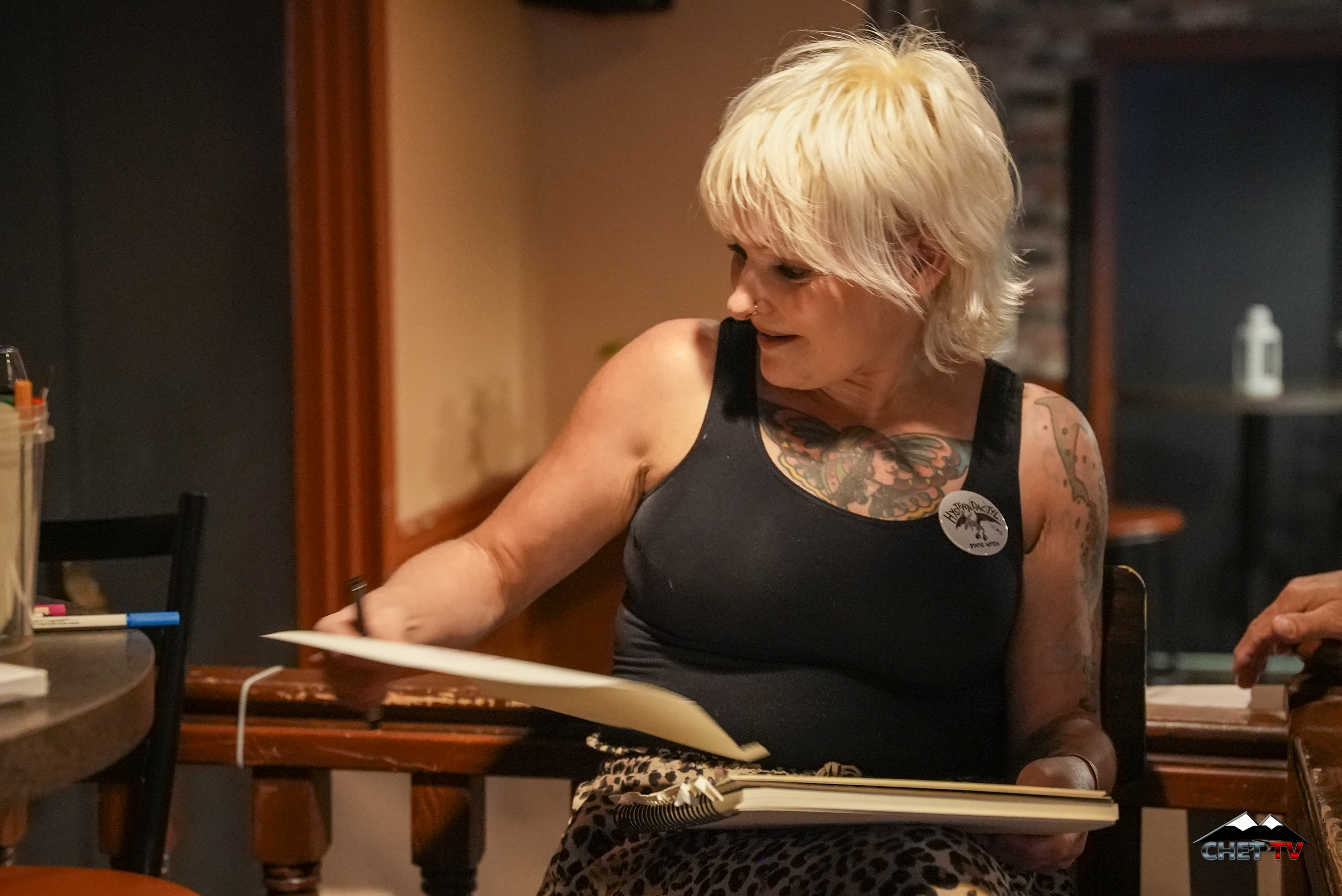
The community showed enthusiasm for local talent and live entertainment in Dawson Creek with a strong turnout.
Registration Opens for the Next Qualifying Shows
Following the success of the first show, registration is now open for the next two qualifying events:
- Qualifier #2: Friday, October 16, 2026
- Qualifier #3: Saturday, November 14, 2026
Previous contestants can reapply and if a show reaches its capacity of 12 acts new performers will be given priority.
Anyone interested in participating can register online at:
**oddballproductionco\.com/theradtalentsearch**
With two more qualifying shows left, aspiring performers still have a chance to hit the stage and show off their skills.
The RAD Talent Search continues its mission to celebrate local talent, and provide performers a platform to be seen, heard and discovered.
As the organizers put it: “Be Bold. Be Heard. Be Discovered.”
Chet TV congratulates everyone involved in making Qualifier #1 a memorable success and looks forward to sharing more highlights from the event.
For more photos & videos please visit Peacefm/Chet TV Facebook Page.
https://www.facebook.com/share/1CKmFdNpYx/?
___________
Track & Field Opening Ceremony | 09.11.2026
What was a dream for the community has now become reality.
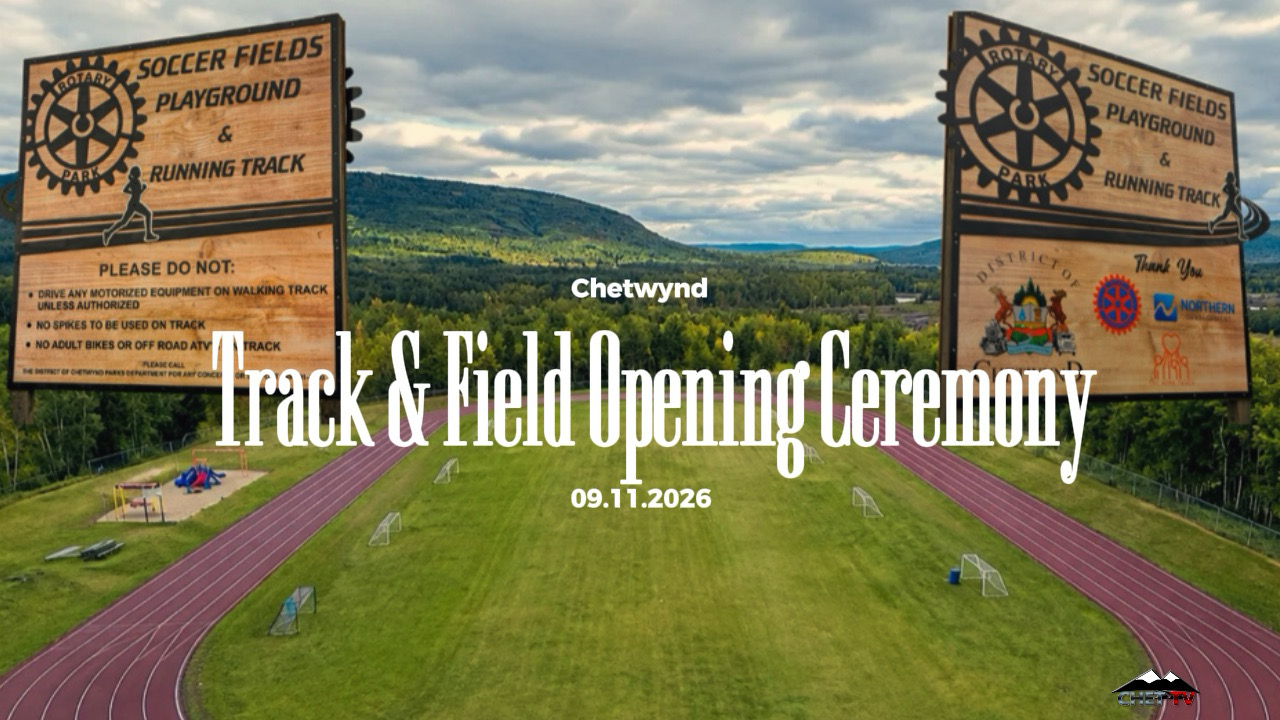
The track and field community came together last September 11, 2026 for the Track & Field Opening Ceremony to celebrate the final construction of a new state-of-the-art Olympic-size running track, as well as all of the future opportunities this provides for generations to follow.
As part of the ceremony, Mayor Allen spoke to attendees and provided comments on what the new facility represents for the community.
A speech was also delivered by Councillor Julia Nelson, who reminisced about the hard road that led to the project and shared a vision when it started.
Having an Olympic-size running track was a dream just a few years ago — it was just an image in her head, of what the future generations could use, enjoy and be proud of. Yesterday was a day when everyone came together and turned that dream into a reality.
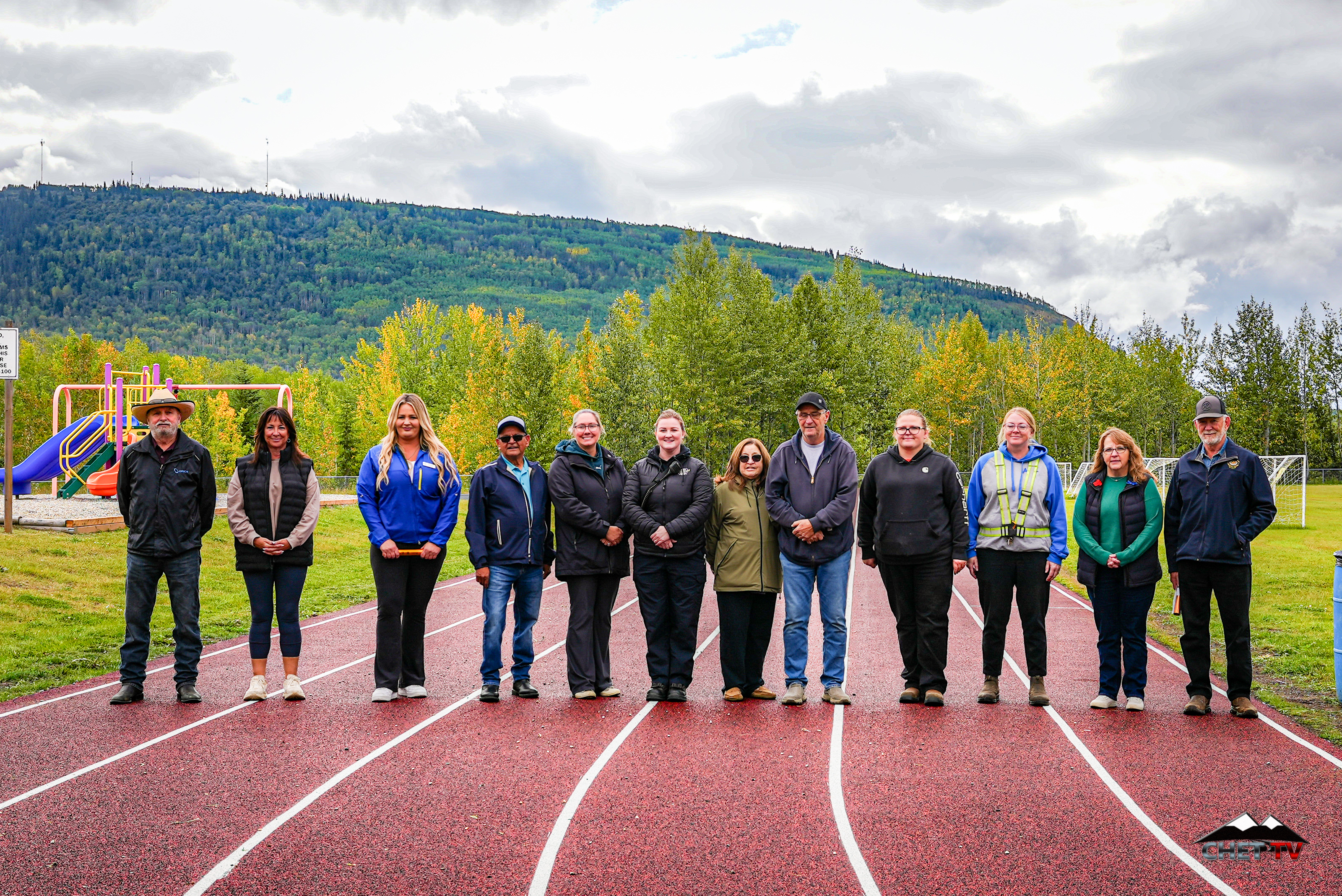
Other members of Council joined to also celebrate and commemorate this significant day in the life of the community.
The latest running track is a sports facility on the more. It is, rather, a lasting commitment to the community and the children and generations who will be raised playing in that space.
It recognized past landmark events that paved a way towards reality, the vision of community and shone light on the people below who made an idea into substantially somewhere we belong.
A dream imagined years ago is now a place where future generations can run, compete, gather, and create memories.
📸🎥 Peace FM / Chet TV
Video Highlights: https://www.facebook.com/share/v/19Kkh4CdDt/?mibextid=wwXIfr
More Photos:
https://www.facebook.com/share/1DXZ8843Ck/?
______________
Chetwynd Harvest Festival Celebrates Community, Local Businesses and the Spirit of Chetwynd
CHETWYND, B.C. — September 12, 2026 - Downtown Chetwynd was filled with music, laughter, food and community spirit as residents and visitors gathered for the annual Chetwynd Harvest Festival.
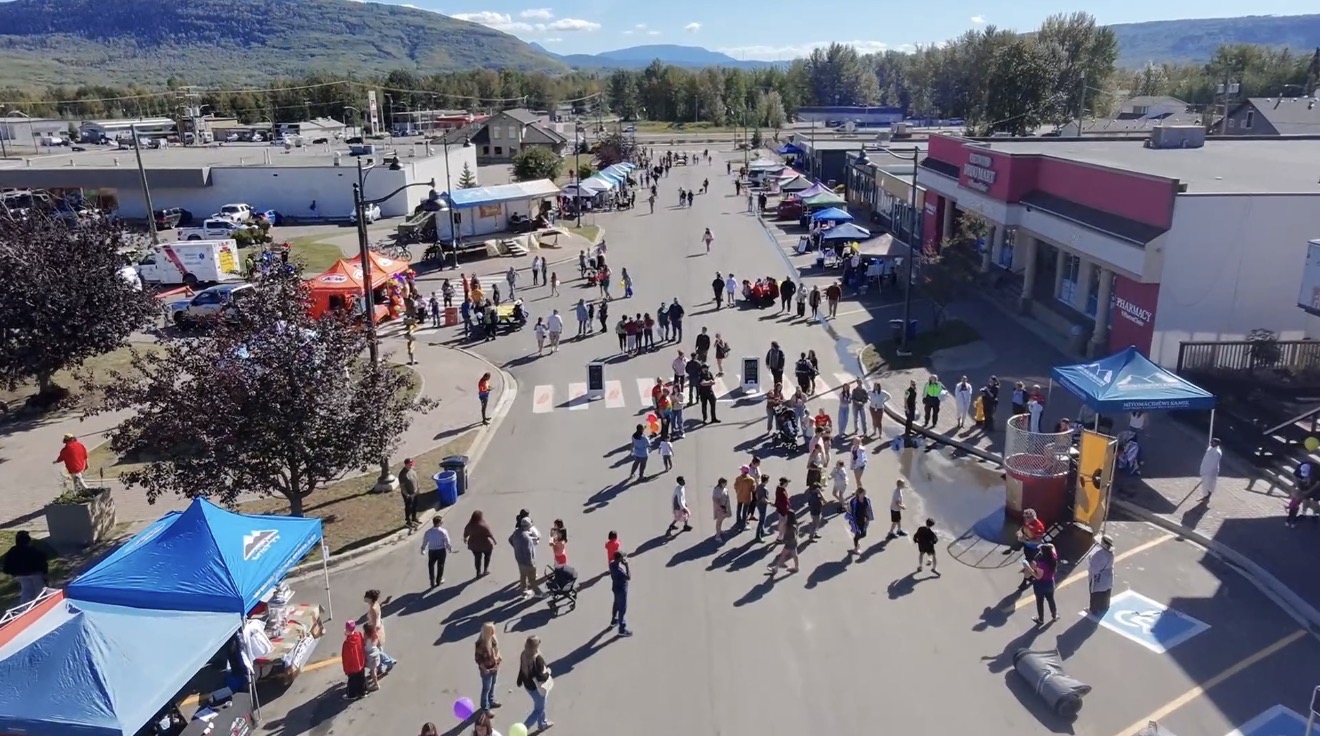
The festival was put on by the Chetwynd Chamber of Commerce and brought together local businesses, community organizations, vendors and families for a day of activities to celebrate the people and organizations that help make Chetwynd a special place to live.
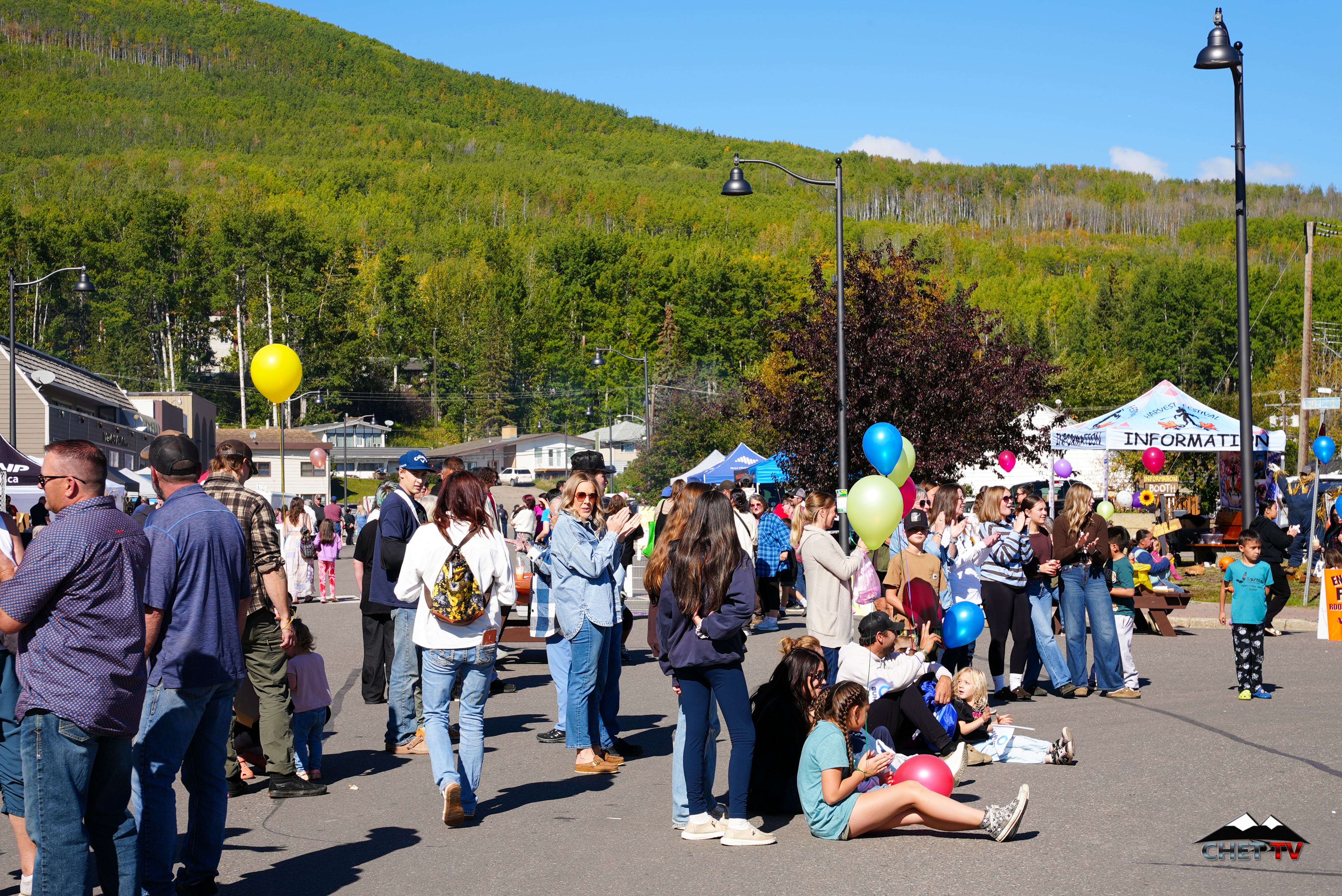
The festival had a car show, face painting, local vendors, live music and entertainment on stage, and a number of activities for children and families, with something for everyone.
The Flower, Fruits & Vegetables Contest also provided an opportunity for residents to show off their growth. Local businesses and organizations helped contribute to the day’s festivities with free food and activities. The festival was put on by the Chetwynd Chamber of Commerce and brought together local businesses, community organizations, vendors and families for a day of activities to celebrate the people and organizations that help make Chetwynd a special place to live.
The festival had a car show, face painting, local vendors, live music and entertainment on stage, and a number of activities for children and families, with something for everyone.
One of the highlights of the day was the live auto extrication demo put on by BC Emergency Health Services (BCEHS) and the Chetwynd Fire Department.
The demo was a simulation of a vehicle accident caused by a distracted driver on a cellphone. Emergency crews showed how they would respond to the crash and safely extricate a victim from the vehicle with an actor playing the injured driver.
The scenario was an impressive show and a chance for emergency responders to speak to the public about distracted driving and the consequences of using a cellphone behind the wheel. It also gave a taste of the coordination and teamwork that goes on between emergency services during a vehicle rescue.
The Harvest Festival also marked a special stop for Cops for Cancer, as riders made their way into Chetwynd and ended their bike ride in the community that day.
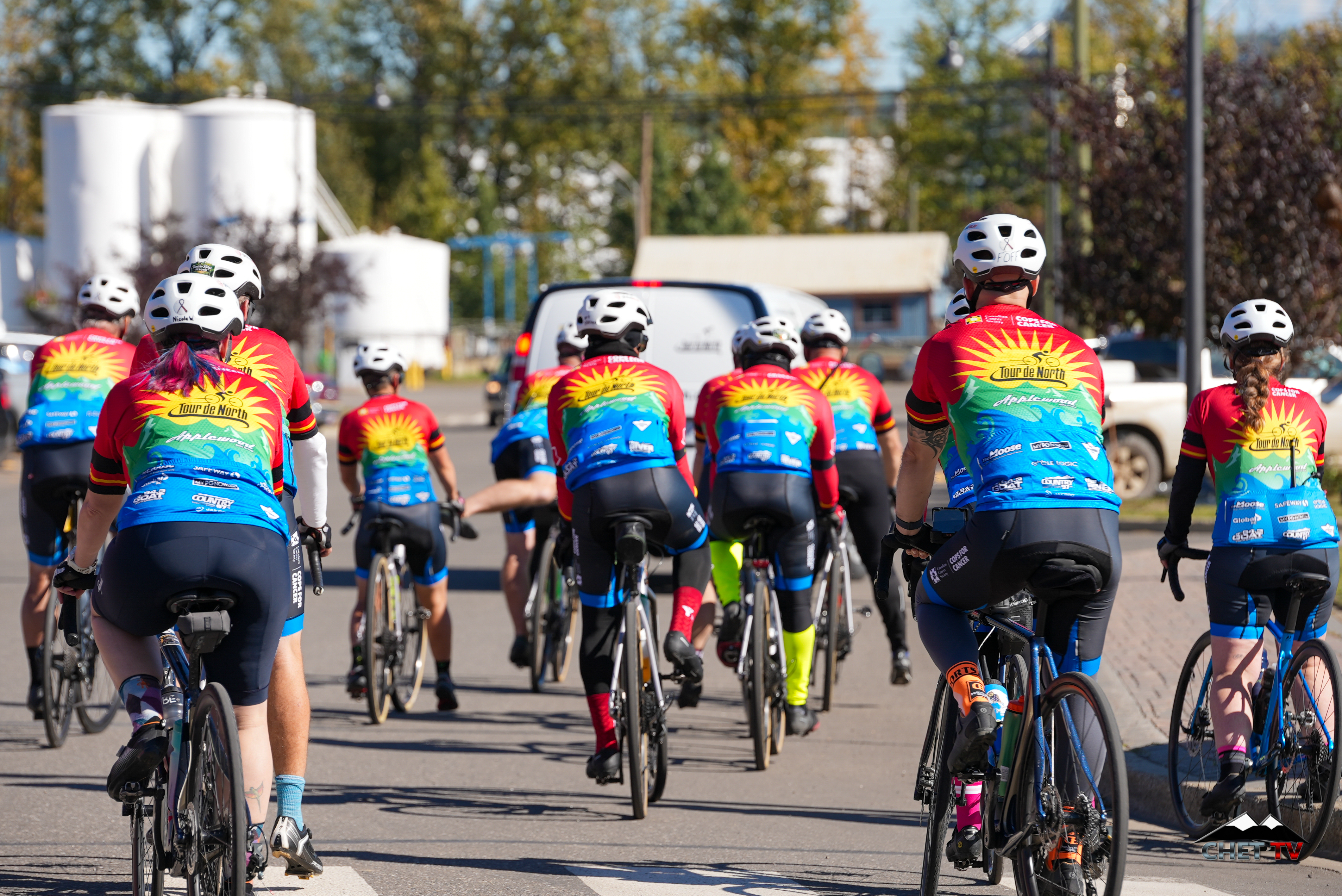
The riders were welcomed as they arrived, bringing another meaningful moment to an already busy day of community activities. Their participation helped raise awareness and support for the Cops for Cancer initiative, while giving festival-goers an opportunity to show their support.
It was a fitting addition to a festival centered around community, connection and coming together for a good cause.
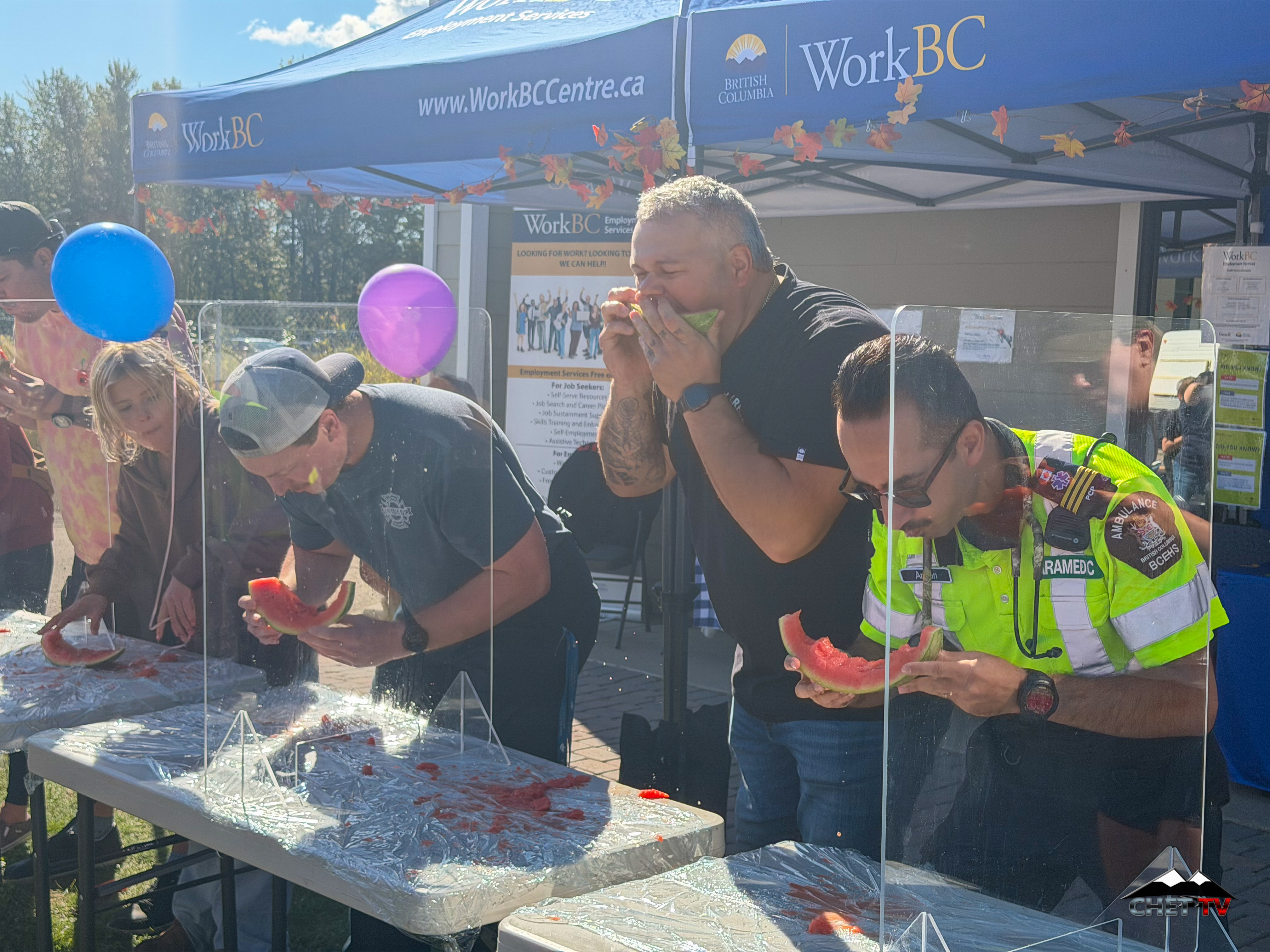
WorkBC also hosted a Watermelon Eating Contest at the festival with 12 sets through the day, giving contestants plenty of opportunities to take on the challenge.
Peace FM/Chet TV also took part in the morning activities helping out with the pancake breakfast while the Pine Valley Seniors sponsored a 50/50 raffle.
Local stores got in on the action too, with special Harvest Fest sales, and vendors from Chetwynd and the surrounding communities stocked the event with local products, services and information.
When the daytime activities wrapped up, the celebration continued into the evening with Ducks Unlimited hosting the Harvest Fest Dance at the Chetwynd Recreation Centre.
The Chetwynd Harvest Festival was a shining example of what can be accomplished when a community unites. Everyone, from the organizers and volunteers to the participating businesses, emergency responders, community groups and vendors, made the event a memorable celebration.
The event was more than a celebration of the harvest, it showcased the local businesses, organizations and community connections that make Chetwynd awesome.
For more photos and video highlights of the Chetwynd Harvest Festival, visit the Peace FM / Chet TV Facebook page.
Video Highlights: https://www.facebook.com/share/v/1cjR5Sdiw5/?mibextid=wwXIfr
More Photos: https://www.facebook.com/share/1DfcfRaR5c/?
Story by Chet TV
Chet TV — Your Community. Your Stories. Your Voice.
_____________
Tumbler Ridge Community Comes Together for “Tumbler Ridge Strong” Benefit Concert and Fall Fair
TUMBLER RIDGE, B.C. — People came together in Tumbler Ridge September 5, 2026 - Saturday for the Tumbler Ridge Strong Benefit Concert and Fall Fair — a day devoted to uniting people while supporting a worthy cause.
The event was organized by the Tumbler Ridge Days Society and was a full day of activities and entertainment for residents and visitors of all ages at the Tumbler Ridge Fairgrounds.

The celebration featured live music all day long, local vendors, games, raffles, 50/50 draw, beer gardens and an outdoor recreation show. Families also flocked to the event, with kids 12 and under getting in free when accompanied by a paying adult.
A special highlight of the event was the commitment to support the community with 100 per cent of the gate proceeds going directly to the Parent Advisory Committee (PAC).

With the theme “Celebrating Community. Supporting Recovery”, the event was a reflection of the strength and spirit of Tumbler Ridge as people came together to enjoy a day of music, entertainment and community connection.
Peace FM / Chet TV was pleased to be present and to capture some of the moments of this special community event.
📸 Photos and coverage by Peace FM / Chet TV .
https://www.facebook.com/share/19Ya7GBWvv/?mibextid=wwXIfr
___________